
are all cryptocurrencies mined
September 19, 2025


Are all cryptocurrencies mined
Welcome to CoinMarketCap.com! This site was founded in May 2013 by Brandon Chez to provide up-to-date cryptocurrency prices, charts and data about the emerging cryptocurrency markets https://ritzycruises.com. Since then, the world of blockchain and cryptocurrency has grown exponentially and we are very proud to have grown with it. We take our data very seriously and we do not change our data to fit any narrative: we stand for accurately, timely and unbiased information.
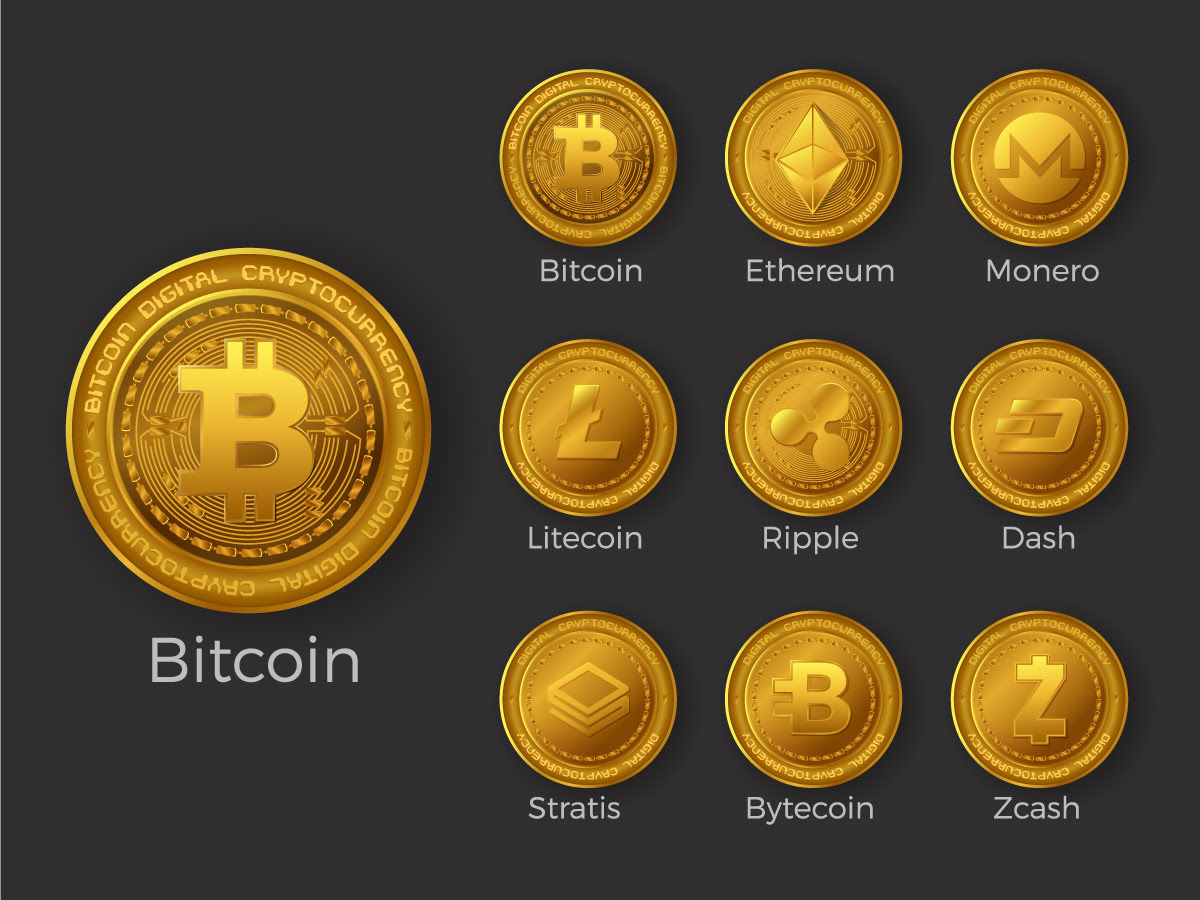
The very first cryptocurrency was Bitcoin. Since it is open source, it is possible for other people to use the majority of the code, make a few changes and then launch their own separate currency. Many people have done exactly this. Some of these coins are very similar to Bitcoin, with just one or two amended features (such as Litecoin), while others are very different, with varying models of security, issuance and governance. However, they all share the same moniker — every coin issued after Bitcoin is considered to be an altcoin.
Almost. We have a process that we use to verify assets. Once verified, we create a coin description page like this. The world of crypto now contains many coins and tokens that we feel unable to verify. In those situations, our Dexscan product lists them automatically by taking on-chain data for newly created smart contracts. We do not cover every chain, but at the time of writing we track the top 70 crypto chains, which means that we list more than 97% of all tokens.
Cryptocurrencies are digital assets that are secured by cryptography. They use decentralized networks to transfer and store value, and the transactions are recorded in a publicly distributed ledger known as the blockchain. Transactions are verified by network nodes and recorded in a public distributed ledger known as the blockchain. Cryptocurrency transactions are secure, and are verified by a decentralized network of computers.
Do all cryptocurrencies use blockchain
Each of them puts into practice a different consensus algorithm. Nano, formerly called Raiblocks, implements the so-called Block-lattice. With Block-lattice, every user gets their own chain to which only they can write. Additionally, everyone holds a copy of all of the chains. Every transaction is broken down into a send block on the sender’s chain, and a receive block on the receiver’s chain. The problem of Block-lattice is that it is vulnerable to penny-spending attacks. These involve inflating the number of chains that nodes must track by sending negligible amounts of cryptocurrency to empty wallets.
For example, exchanges have been hacked in the past, resulting in the loss of large amounts of cryptocurrency. While the hackers may have been anonymous—except for their wallet address—the crypto they extracted is easily traceable because the wallet addresses are stored on the blockchain.
A blockchain allows the data in a database to be spread out among several network nodes—computers or devices running software for the blockchain—at various locations. This creates redundancy and maintains the fidelity of the data. For example, if someone tries to alter a record on one node, the other nodes would prevent it from happening by comparing block hashes. This way, no single node can alter information within the chain.
Each of them puts into practice a different consensus algorithm. Nano, formerly called Raiblocks, implements the so-called Block-lattice. With Block-lattice, every user gets their own chain to which only they can write. Additionally, everyone holds a copy of all of the chains. Every transaction is broken down into a send block on the sender’s chain, and a receive block on the receiver’s chain. The problem of Block-lattice is that it is vulnerable to penny-spending attacks. These involve inflating the number of chains that nodes must track by sending negligible amounts of cryptocurrency to empty wallets.
For example, exchanges have been hacked in the past, resulting in the loss of large amounts of cryptocurrency. While the hackers may have been anonymous—except for their wallet address—the crypto they extracted is easily traceable because the wallet addresses are stored on the blockchain.
What is the market cap of all cryptocurrencies
TThe data at CoinMarketCap updates every few seconds, which means that it is possible to check in on the value of your investments and assets at any time and from anywhere in the world. We look forward to seeing you regularly!
The total crypto market volume over the last 24 hours is $172.65B, which makes a 34.94% increase. The total volume in DeFi is currently $27.22B, 15.77% of the total crypto market 24-hour volume. The volume of all stable coins is now $161.34B, which is 93.45% of the total crypto market 24-hour volume.
IEO stands for Initial Exchange Offering. IEOs share a lot of similarities with ICOs. They are both largely unregulated token sales, with the main difference being that ICOs are conducted by the projects that are selling the tokens, while IEOs are conducted through cryptocurrency exchanges. Cryptocurrency exchanges have an incentive to screen projects before they conduct a token sale for them, so the quality of IEOs tends to be better on average than the quality of ICOs.
A stablecoin is a crypto asset that maintains a stable value regardless of market conditions. This is most commonly achieved by pegging the stablecoin to a specific fiat currency such as the US dollar. Stablecoins are useful because they can still be transacted on blockchain networks while avoiding the price volatility of “normal” cryptocurrencies such as Bitcoin and Ethereum. Outside of stablecoins, cryptocurrency prices can change rapidly, and it’s not uncommon to see the crypto market gain or lose more than 10% in a single day.