
all cryptocurrencies
September 17, 2025


- Are all cryptocurrencies based on blockchain
- Why do all cryptocurrencies rise and fall together
- List of all cryptocurrencies
All cryptocurrencies
Crypto market capitalization or “crypto market cap” for short is a widely used metric that is commonly used to compare the relative size of different cryptocurrencies. On CoinCodex, market cap is the default metric by which we rank cryptocurrencies on our frontpage https://enucuzkamera.com/review/ignition/. We also track the total cryptocurrency market cap by adding together the market cap of all the cryptocurrencies listed on CoinCodex. The total market cap provides an estimate on whether the cryptocurrency market as a whole is growing or declining.
If you want to invest in cryptocurrency, you should first do your own research on the cryptocurrency market. There are multiple factors that could influence your decision, including how long you intend to hold cryptocurrency, your risk appetite, financial standing, etc. It’s worth noting that most cryptocurrency investors hold Bitcoin, even if they are also investing in other cryptocurrencies. The reason why most cryptocurrency investors hold some BTC is that Bitcoin enjoys the reputation of being the most secure, stable and decentralized cryptocurrency.
Bitcoin is the oldest and most established cryptocurrency, and has a market cap that is larger than all of the other cryptocurrencies combined. Bitcoin is also the most widely adopted cryptocurrency, and is accepted by practically all businesses that deal with cryptocurrency.
Cryptocurrency was invented by Satoshi Nakamoto, which is the pseudonym used by the inventor of Bitcoin. Even though digital currency concepts existed before Bitcoin, Satoshi Nakamoto was the first to create a peer-to-peer digital currency that reliably solved the issues facing previous digital money projects. Bitcoin was initially proposed in 2008 and launched in early 2009. Following the invention of Bitcoin, thousands of projects have attempted to imitate Bitcoin’s success or improve upon the original Bitcoin design by leveraging new technologies.
Are all cryptocurrencies based on blockchain
The answer is no. Blockchain, the technology underpinning Bitcoin, is more than just a public ledger of transactions. It’s a decentralized database that stores every transaction made on the network and makes it extremely difficult to tamper with any information in the system. All cryptocurrencies use blockchain, but they can also use other technologies such as a centralized ledger or elliptic curve cryptography.
Financial tokens are digital assets that support economic activities such as lending, borrowing, trading, and yield generation within decentralised finance (DeFi) ecosystems. These tokens often represent access to specific financial services, act as incentives for participation, or enable protocol-level fee structures. Many of them are native to DeFi platforms and play a central role in shaping on-chain financial products.
How do I join Bitcoin Mining Pools? If you’re going to join a pool you’ll be making a deal with other miners to mine bitcoins together. The more miners that join the pool and play by the rules, the larger the reward each of them receives. This means that running your hardware is not necessary and washing food trays will not earn as many bitcoins as you’d expect. If joining a mining pool sounds like you want to become part of an official organization, read our guide on how to mine Bitcoin privately for some tips.
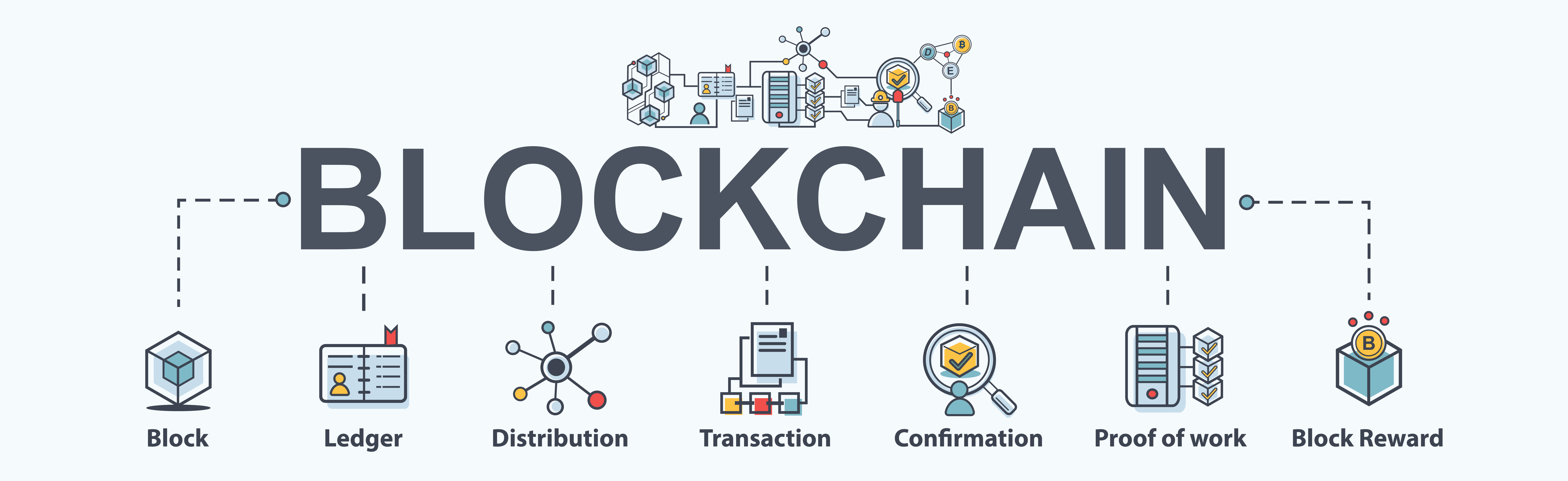
The answer is no. Blockchain, the technology underpinning Bitcoin, is more than just a public ledger of transactions. It’s a decentralized database that stores every transaction made on the network and makes it extremely difficult to tamper with any information in the system. All cryptocurrencies use blockchain, but they can also use other technologies such as a centralized ledger or elliptic curve cryptography.
Financial tokens are digital assets that support economic activities such as lending, borrowing, trading, and yield generation within decentralised finance (DeFi) ecosystems. These tokens often represent access to specific financial services, act as incentives for participation, or enable protocol-level fee structures. Many of them are native to DeFi platforms and play a central role in shaping on-chain financial products.
How do I join Bitcoin Mining Pools? If you’re going to join a pool you’ll be making a deal with other miners to mine bitcoins together. The more miners that join the pool and play by the rules, the larger the reward each of them receives. This means that running your hardware is not necessary and washing food trays will not earn as many bitcoins as you’d expect. If joining a mining pool sounds like you want to become part of an official organization, read our guide on how to mine Bitcoin privately for some tips.
Why do all cryptocurrencies rise and fall together
History shows that regulatory events often lead to significant market reactions. When El Salvador adopted bitcoin as legal tender, experts expressed mixed opinions. While some saw it as a step toward mainstream adoption, others warned of financial risks due to bitcoin’s volatility. This move also raised concerns about its impact on the country’s GDP and monetary policy.
We do not advise on currencies and do not make recommendations for either buying or selling. We can provide factual information about the different currencies, but past price developments are not an indication of future developments. No information from Lunar Block should therefore be considered as recommendations and all decisions are up to you alone.
Cryptocurrency prices often reflect the emotions and behaviors of investors. Market sentiment, which is the overall attitude of investors toward a particular asset, plays a significant role in driving price fluctuations. Whether it’s optimism or fear, these emotions can lead to rapid changes in value.
List of all cryptocurrencies
Almost. We have a process that we use to verify assets. Once verified, we create a coin description page like this. The world of crypto now contains many coins and tokens that we feel unable to verify. In those situations, our Dexscan product lists them automatically by taking on-chain data for newly created smart contracts. We do not cover every chain, but at the time of writing we track the top 70 crypto chains, which means that we list more than 97% of all tokens.
Play-to-earn (P2E) games, also known as GameFi, has emerged as an extremely popular category in the crypto space. It combines non-fungible tokens (NFT), in-game crypto tokens, decentralized finance (DeFi) elements and sometimes even metaverse applications. Players have an opportunity to generate revenue by giving their time (and sometimes capital) and playing these games.
These crypto coins have their own blockchains which use proof of work mining or proof of stake in some form. They are listed with the largest coin by market capitalization first and then in descending order. To reorder the list, just click on one of the column headers, for example, 7d, and the list will be reordered to show the highest or lowest coins first.
The first chain to launch smart contracts was Ethereum. A smart contract enables multiple scripts to engage with each other using clearly defined rules, to execute on tasks which can become a coded form of a contract. They have revolutionized the digital asset space because they have enabled decentralized exchanges, decentralized finance, ICOs, IDOs and much more. A huge proportion of the value created and stored in cryptocurrency is enabled by smart contracts.
CoinMarketCap does not offer financial or investment advice about which cryptocurrency, token or asset does or does not make a good investment, nor do we offer advice about the timing of purchases or sales. We are strictly a data company. Please remember that the prices, yields and values of financial assets change. This means that any capital you may invest is at risk. We recommend seeking the advice of a professional investment advisor for guidance related to your personal circumstances.